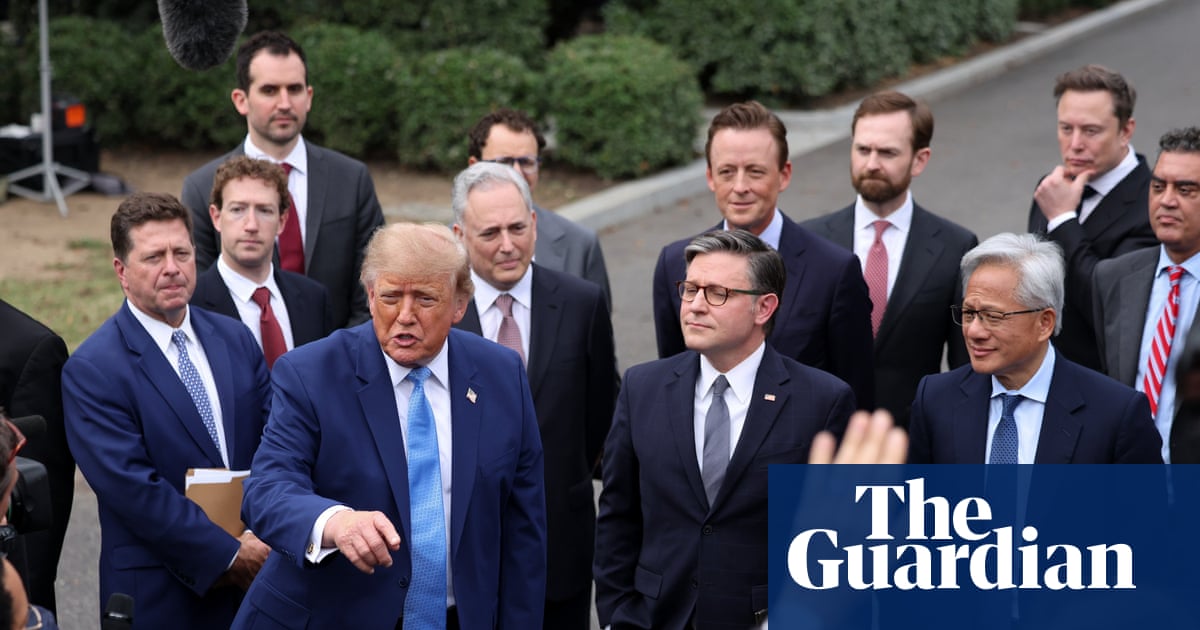
Trump made the announcement after a White House luncheon with tech executives. He compared the pact to a founding document, saying "it's almost like a constitution in a way, and the biggest people in the world signed that, and I signed it as president, and it really is a form of protection."
The agreement calls for what Trump described as "tremendous self-policing" among the companies building AI systems. He didn't specify enforcement mechanisms or penalties for violations. At the same event, Trump signed an executive order renaming artificial intelligence to "superintelligence," echoing similar language he used in a declaration at the United Nations last week.
The deal leaves major questions open. There's no outside regulator checking whether companies follow through, and "morally binding" carries no legal weight the way federal law or a signed contract would. For an industry racing to build increasingly powerful systems, the agreement puts the responsibility for guardrails back in the hands of the same executives building the technology.