
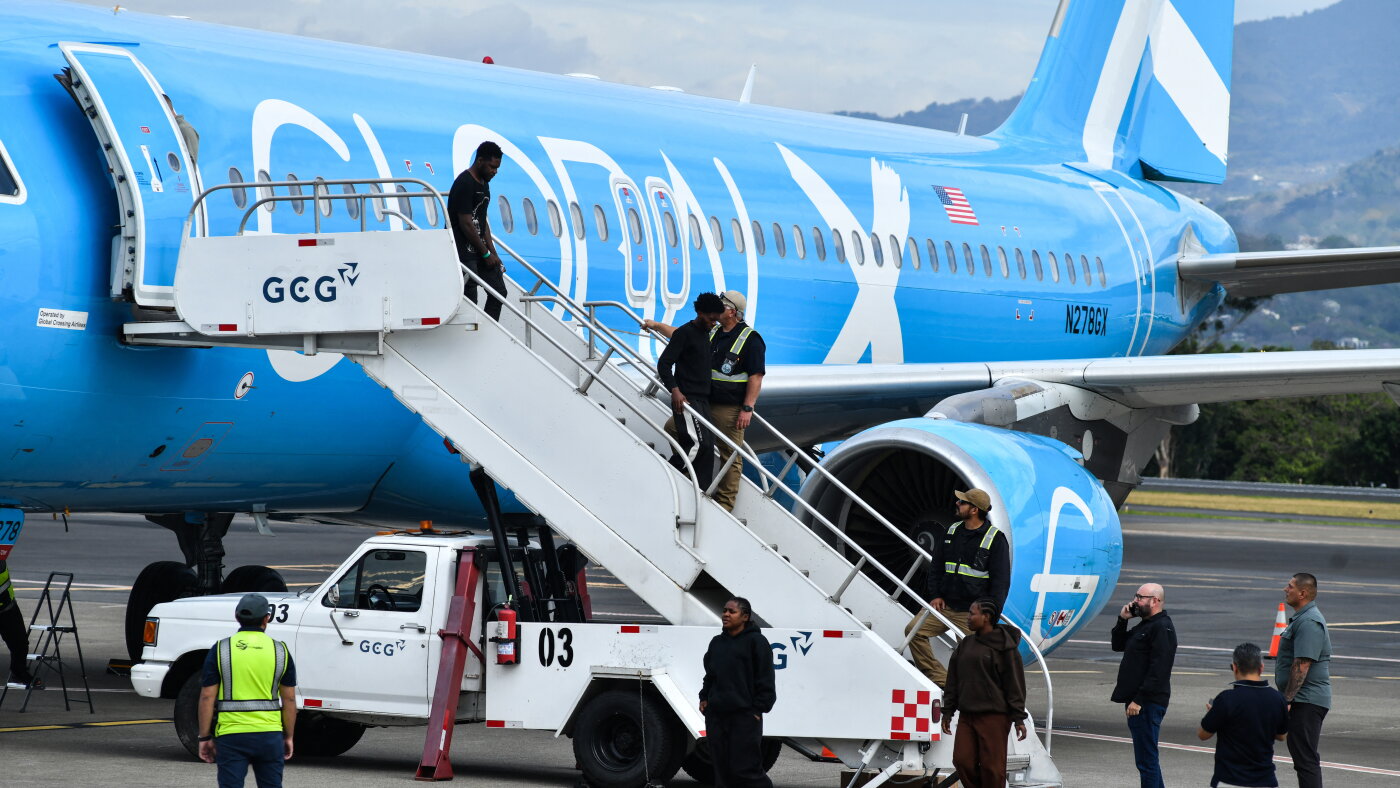
The brief order didn't explain why the justices lifted a lower-court block on the practice. But the court set the case for full oral argument in December, meaning this fight isn't over. Justices also asked both sides to weigh in on whether lower courts even had the authority to rule on the issue and order relief nationwide, plus whether the policy itself holds up against due process protections or international torture conventions.
The ruling hands President Trump another win in his push to expand deportation authority. For migrants facing removal, it means the government can send them to a third country while the broader legal question stays unresolved for months. Immigration attorneys and advocates are now stuck navigating a policy the Supreme Court hasn't actually validated, just allowed to proceed.
The case raises a question that goes beyond immigration policy. How much power do federal courts have to block White House actions across the entire country, rather than just for the people who sued? That question, not just the deportations themselves, is what the justices will dig into in December.