
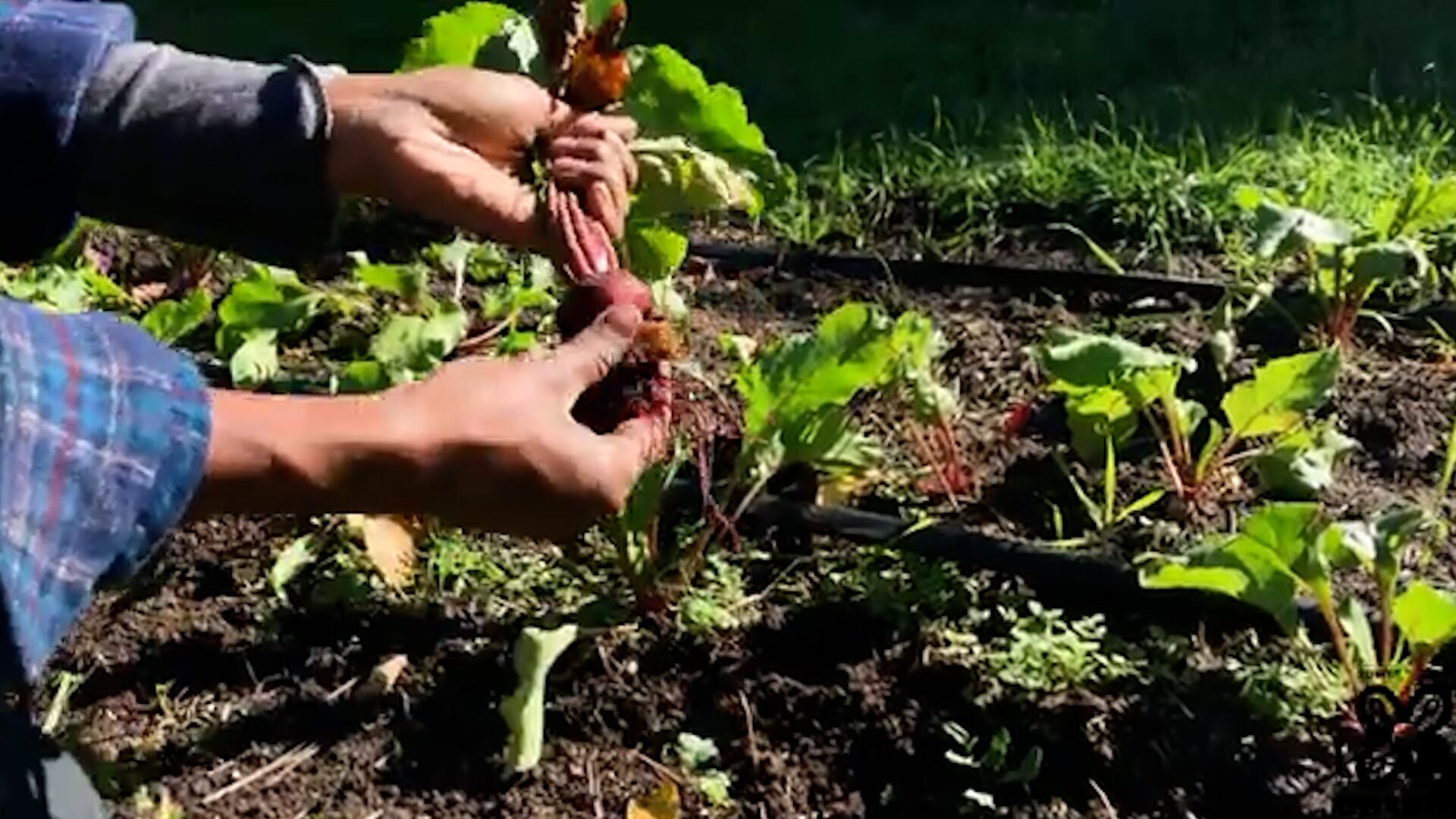
Around 53 million Americans live in so-called food deserts, lower-income areas without easy access to supermarkets or grocery stores. Most of them live in cities, where fast food and convenience shops become the cheapest option.
The network has worked in Detroit for 20 years. It runs a local food co-op and an organic farm, and it meets with local governments.
Aisha Ellis, the network's farm manager, said she has seen a difference over those two decades. "You would start seeing people more regulated health wise. You'll see people come back to life, participating. And you start creating different food traditions in your home," Ellis said.
Food access ties to more than money. Areas with low access carry a higher risk of obesity, heart disease and cancer. Ellis said the group also works on policy, so access to food is on the ballot Tuesday, with affordability the main talking point heading into the 2026 midterms. The network treats Detroit as a launching point and wants to spread its mission to other cities.
Its pitch fits on a dinner plate: grow it yourself, or buy it from the neighbor who did.