
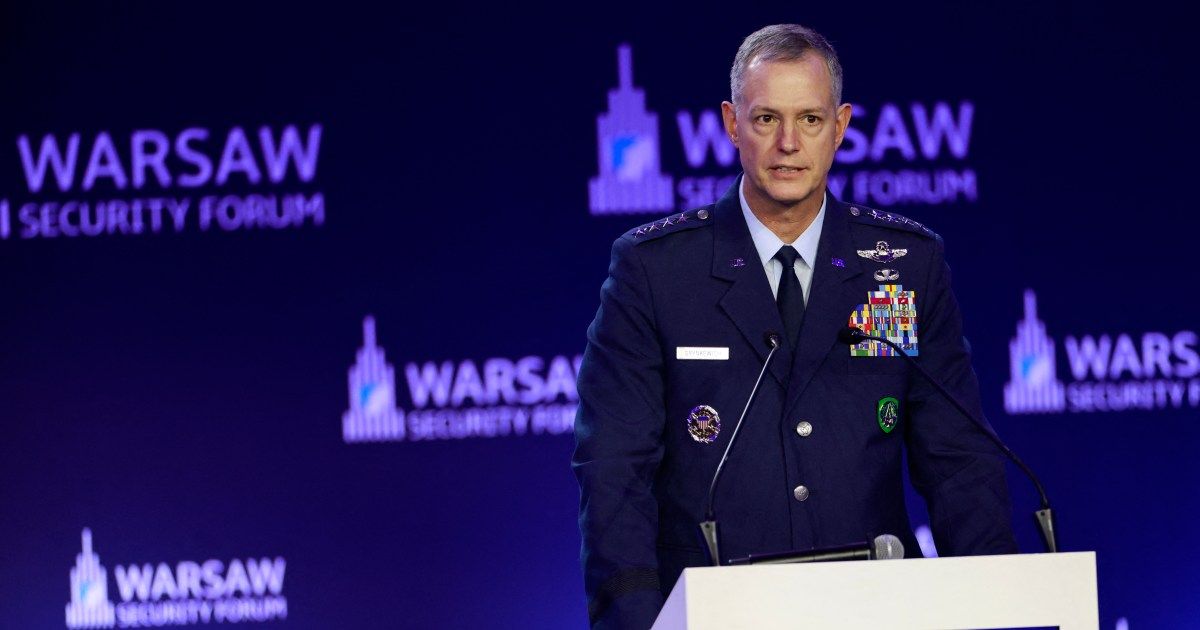
He laid out the plan in steps. "We will block the initial attack. If the attack persists, we will blunt it and prevent any enemy advance," he said. If required, NATO will break the enemy's forces and the operational war-fighting system arrayed against the alliance. He never named Russia.
Europe's worries form the backdrop. European governments have accused Moscow of stepping up a campaign of sabotage, drone incursions and cyberattacks. Russia warned last month it could use nuclear weapons if NATO tried to cut off Kaliningrad, its Baltic exclave with a major military outpost. NATO's 10-year strategy from 2022 names Russia as the alliance's most significant security threat.
Grynkewich said the response would not stop at the forces that strike first. "Should the adversary choose to press the attack or commit his reserves, we will break the warfighting system engaged against us," he said. He added, "We will, in short, ensure any attack, against any ally, proves utterly futile."
He also stressed that NATO is a defensive alliance and said he does not believe a conflict is imminent or inevitable. The best way to preserve peace, he said, is to prepare for war and keep open lines of communication to "resolve misunderstandings."