
Beyond the 806
Iran war drives $100 billion in extra energy costs for U.S. consumers - Axios
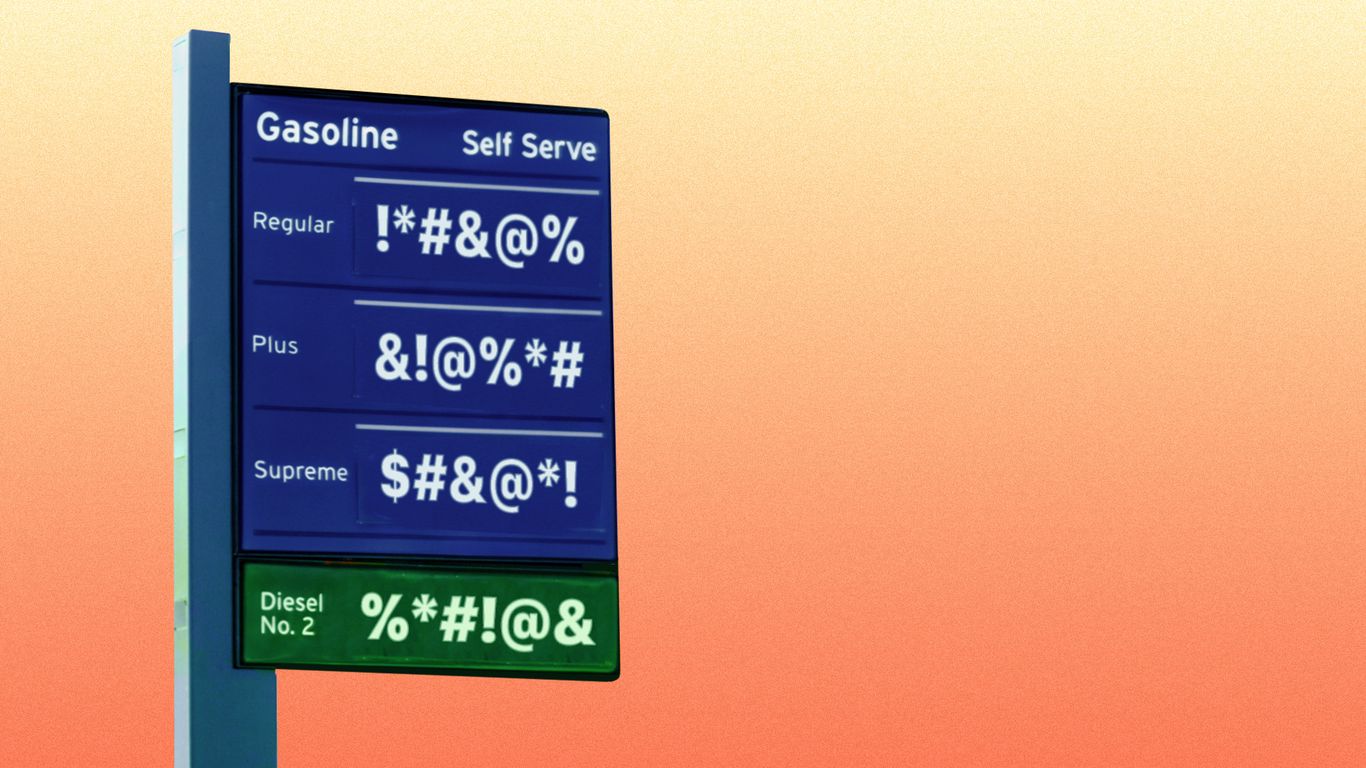
The war in Iran has added more than $760 to the average American household's energy bill since fighting began February 28, according to a real-time cost tracker from Brown University's Watson School. That $100 billion national total is still climbing, at roughly $1 million every two minutes as of Monday morning.
That $100 billion national total is still climbing, at roughly $1 million every two minutes as of Monday morning. For people here in Lubbock, where long drives are just part of daily life and West Texas distances make fuel costs a constant line item, that kind of sustained price pressure hits differently than it does in a city with transit options.
The Brown University tracker flags diesel as a particular concern. While most of the $760 average household cost so far has come from gasoline, the diesel burden is rising faster, and diesel touches nearly everything people buy. Freight costs go up, and that gets passed along at every store from the South Plains Mall to the grocery chains on 50th Street.
Energy inflation doesn't stay at the pump. It spreads through shipping, food prices, and the cost of any business that moves goods by truck. In a regional hub like Lubbock, that covers a lot of ground.
The United States has spent more on higher energy prices since February 28 than the entire annual GDP of many small countries.
Common questions
How much has the Iran war added to my energy bill?
- The average American household has paid more than $760 in extra energy costs since fighting in Iran began February 28, according to Brown University's Watson School. The national total has surpassed $100 billion and is still rising at roughly $1 million every two minutes.
Stay in the loop
Weekly Lubbock news, deals, and events. Free.
Read next
Live Updates: Iran says it will expand control in Strait of Hormuz as oil and gas prices continue to climb - CBS News
Federal investigators probe Amazon cargo jet’s fiery runway crash that killed 5 in Miami - AP News
Texas Cities Keep Dropping Flock Cameras As Statewide Privacy Backlash Grows - Dallas Express