
Beyond the 806
The Supreme Court revives a controversial data system for citizenship checks
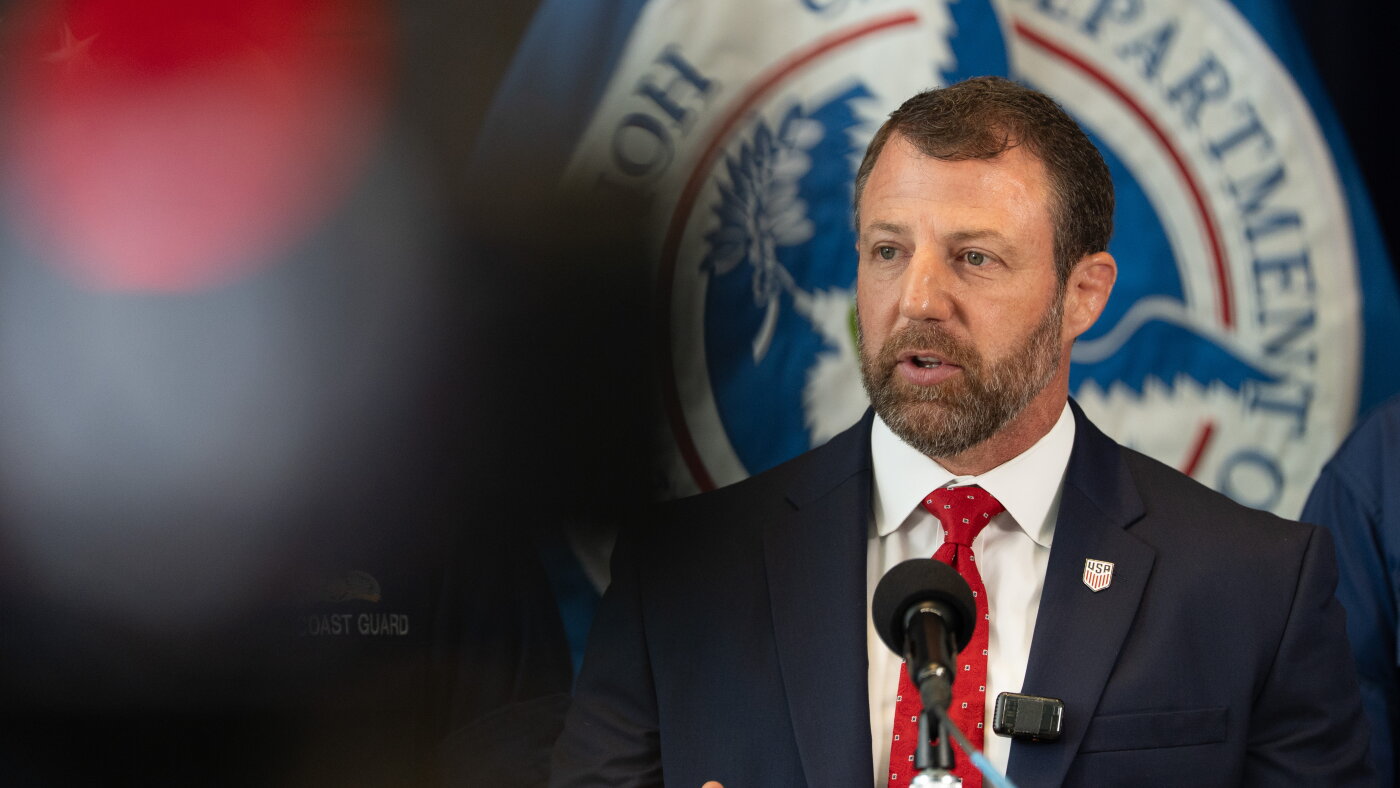
The U.S. Supreme Court has allowed the Department of Homeland Security to resume using an overhauled data system that checks the citizenship of millions of Americans listed on state voter rolls.
The tool, known as SAVE, or Systematic Alien Verification for Entitlements, has mistakenly flagged some eligible voters as potential noncitizens. A federal judge had blocked the system after finding it violated federal privacy protections, but the Supreme Court's decision revives it for now.
Many states uploaded their voter lists to the expanded version of SAVE, sharing that information with the federal government. Tens of millions of voter records ran through the system before the lower court stepped in. The move comes as the Trump administration has been pouring resources into searching for noncitizens on voter rolls ahead of the upcoming election.
For voters caught up in a mismatch, the stakes are real. Getting flagged as a potential noncitizen, even wrongly, can mean extra scrutiny or hassle just to prove eligibility to vote.
States that handed over voter data now have that information running through a system a lower court already found broke privacy rules. The legal fight over SAVE continues, even as it operates again.
Stay in the loop
Weekly Lubbock news, deals, and events. Free.
Read next
The Supreme Court revives a controversial data system for citizenship checks
Crude oil prices slide after Iranian and US negotiators discuss opening Strait of Hormuz
Iranian President Masoud Pezeshkian talks about proposal to reopen Strait of Hormuz, says Iran would allow nuclear inspectors
TikTok to pay $100m and limit daily child usage in Alabama settlement