
Beyond the 806
Trump ‘rejects’ Iran’s seven-day ceasefire proposal. What’s next?
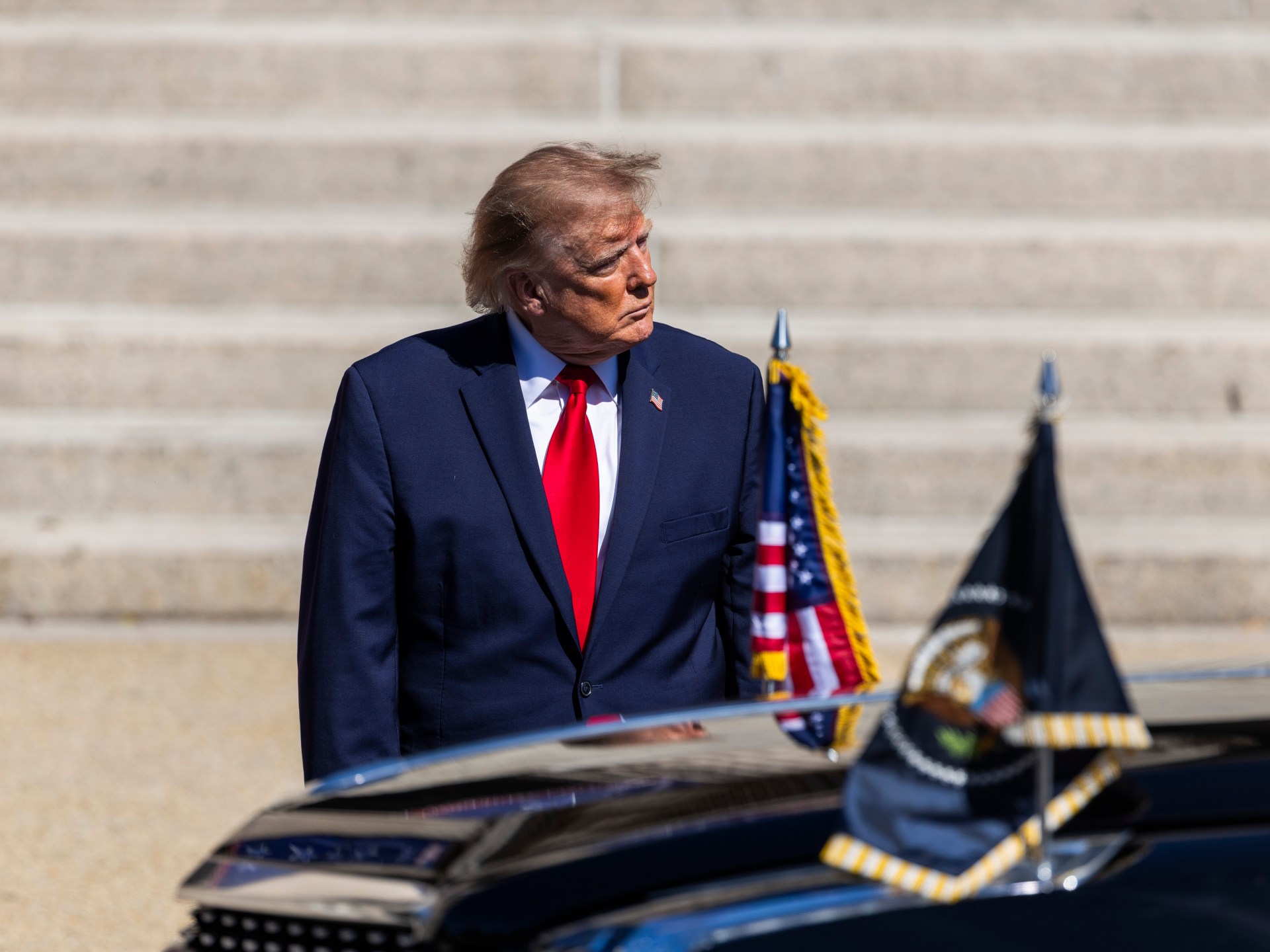
President Trump has rejected an Iranian proposal to reopen the Strait of Hormuz within seven days, according to unnamed U.S. Officials cited by The Wall Street Journal.
Iran put forward the roadmap just hours before Trump turned it down. The strait handles about one-fifth of the world's oil and natural gas shipments during peacetime, making it one of the most contested chokepoints on the planet. The rejection lands only days after Trump threatened from the floor of the UN General Assembly to "annihilate" Iran.
The timing matters. Iran floated an offramp, and the White House shut the door almost immediately, leaving the strait's status as tense as it was before the proposal ever surfaced.
For anyone watching oil markets or global shipping, this is not a small thing. A closed or contested Strait of Hormuz threatens to squeeze energy supplies far beyond the Middle East, and a quick rejection of a week-long ceasefire plan signals Washington isn't interested in a short-term fix. The move also raises the stakes after Trump's blunt UN warning, suggesting the administration wants more than a temporary pause before it eases pressure on Tehran.
What happens next in the strait, and whether Iran tries again with a different offer, remains an open question with a fifth of the world's oil supply hanging in the balance.
Stay in the loop
Weekly Lubbock news, deals, and events. Free.
Read next
Trump ‘rejects’ Iran’s seven-day ceasefire proposal. What’s next?
How a six pack of beer and the Magna Carta could finally fix a problem plaguing Americans for decades
The U.S. has more thalidomide survivors than the government admits
Iran War Updates: Tehran proposes 7-day plan to reopen Strait of Hormuz as it seeks deal before U.S. midterms