
Beyond the 806
What is kratom, the 'gas station heroin' alarming officials in the US?
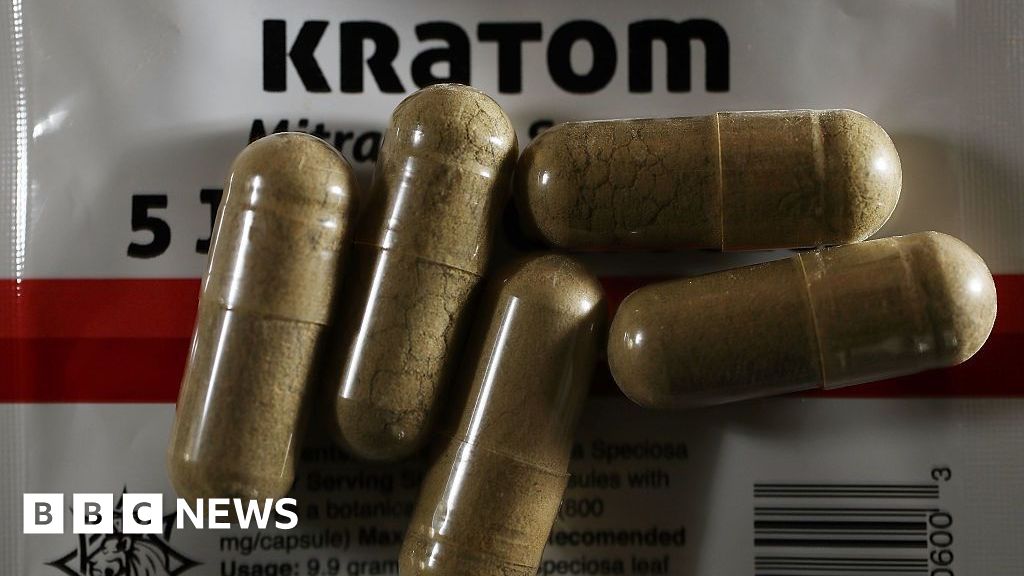
Jeffrey Deaver, a 58-year-old retired timber cutter in Washington state, has taken kratom for four years to manage severe chronic hip and knee pain after doctors couldn't help him.
Kratom is an herb with opioid-like effects that's grown in popularity across the US over the past decade. People typically buy it over the counter, often at gas stations and convenience stores, which has earned it the nickname "gas station heroin" among officials now raising alarms about its spread. Deaver said he was scared to try it at first, so he started small, then increased his dose until his pain went away.
"It was like a miracle," Deaver said. "I could sleep. I could function. I just don't know what I'd do without it."
His experience captures why kratom sits in a strange gray zone. It's sold openly, without the same oversight as prescription painkillers, yet it acts on the same receptors in the brain that opioids do. For people like Deaver, who couldn't get relief through the medical system while waiting on surgeries, it filled a real gap. Officials watching its use climb see that same accessibility as the problem.
A product easy enough to grab at a convenience store counter is also potent enough to worry public health officials nationwide. Deaver found it during a personal health crisis. Regulators now wonder how many more people are finding it the same way, with far less oversight than the pain medications it's replacing.
Stay in the loop
Weekly Lubbock news, deals, and events. Free.
Read next
What is kratom, the 'gas station heroin' alarming officials in the US?
Crude oil prices slide after Iranian and US negotiators discuss opening Strait of Hormuz
Iranian President Masoud Pezeshkian talks about proposal to reopen Strait of Hormuz, says Iran would allow nuclear inspectors
TikTok to pay $100m and limit daily child usage in Alabama settlement