
Spradley ran into trouble trying to exhume a man's body from a local cemetery there. Funeral home staff couldn't tell her which plot held his remains, and they didn't know the location of more than a hundred other Central American migrants buried in the same cemetery. Spradley says burying people without recording where they're interred is illegal.
"Everyone should have dignity in death," she says.
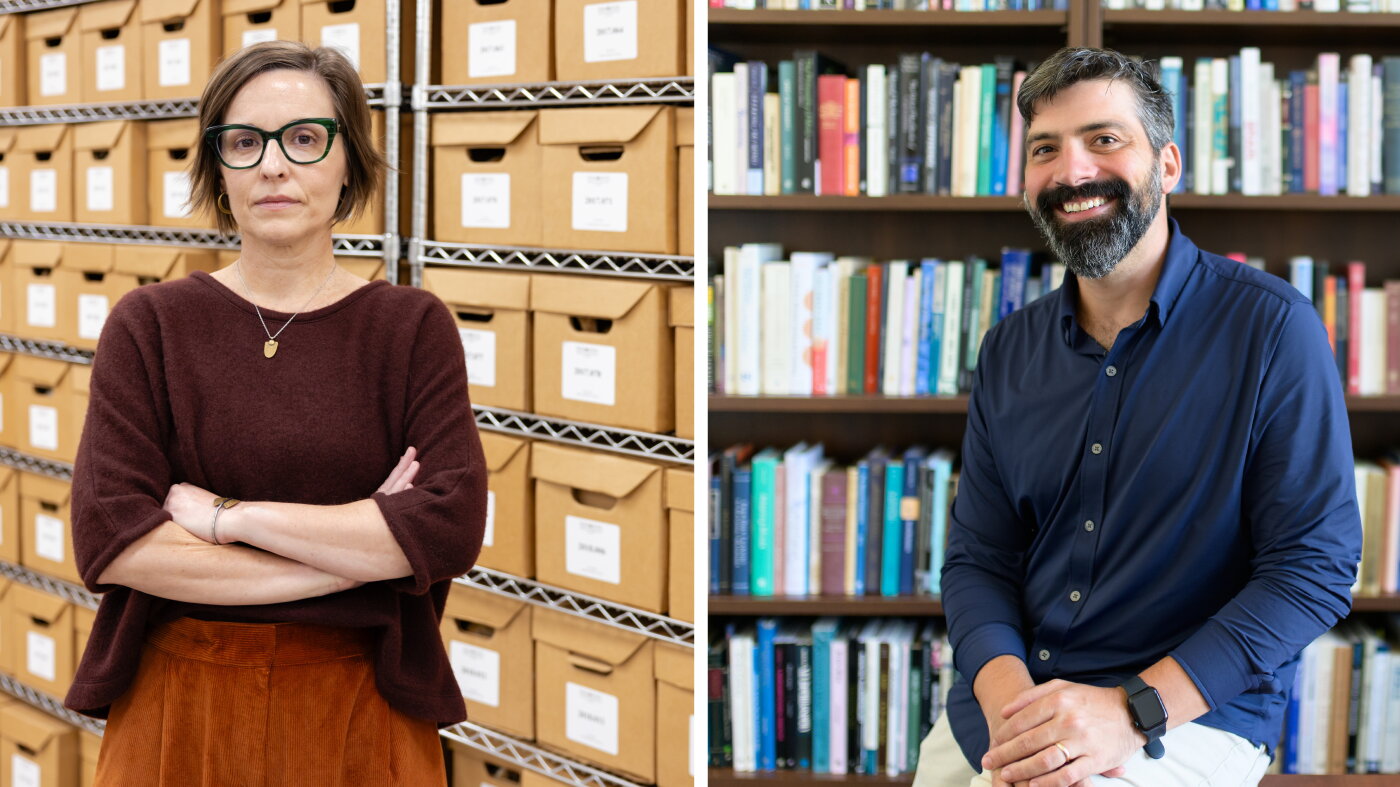
Spradley is one of this year's MacArthur Fellows, an honor NPR describes as going to researchers who fuse science and justice. Her work centers on identifying migrants who die in South Texas, often far from cemetery staff who can properly track their burial sites.
For families searching for missing relatives who crossed the border and never made contact again, Spradley's forensic work offers one of the only paths to answers. Without accurate burial records, they have no way to locate loved ones or bring them home. The fellowship draws attention to a problem few people know about. Unmarked graves and untracked remains keep piling up in small-county cemeteries never built for this.