
Asheville, the largest city in western North Carolina, went 53 days without drinking water after the storm hit. Helene struck 400 miles inland from where it made landfall, and the Appalachian Mountains' usually porous soils were already soaked from earlier rain. The water had nowhere to go, so it hit bedrock and rushed down steep slopes, overrunning creeks that are normally shallow.
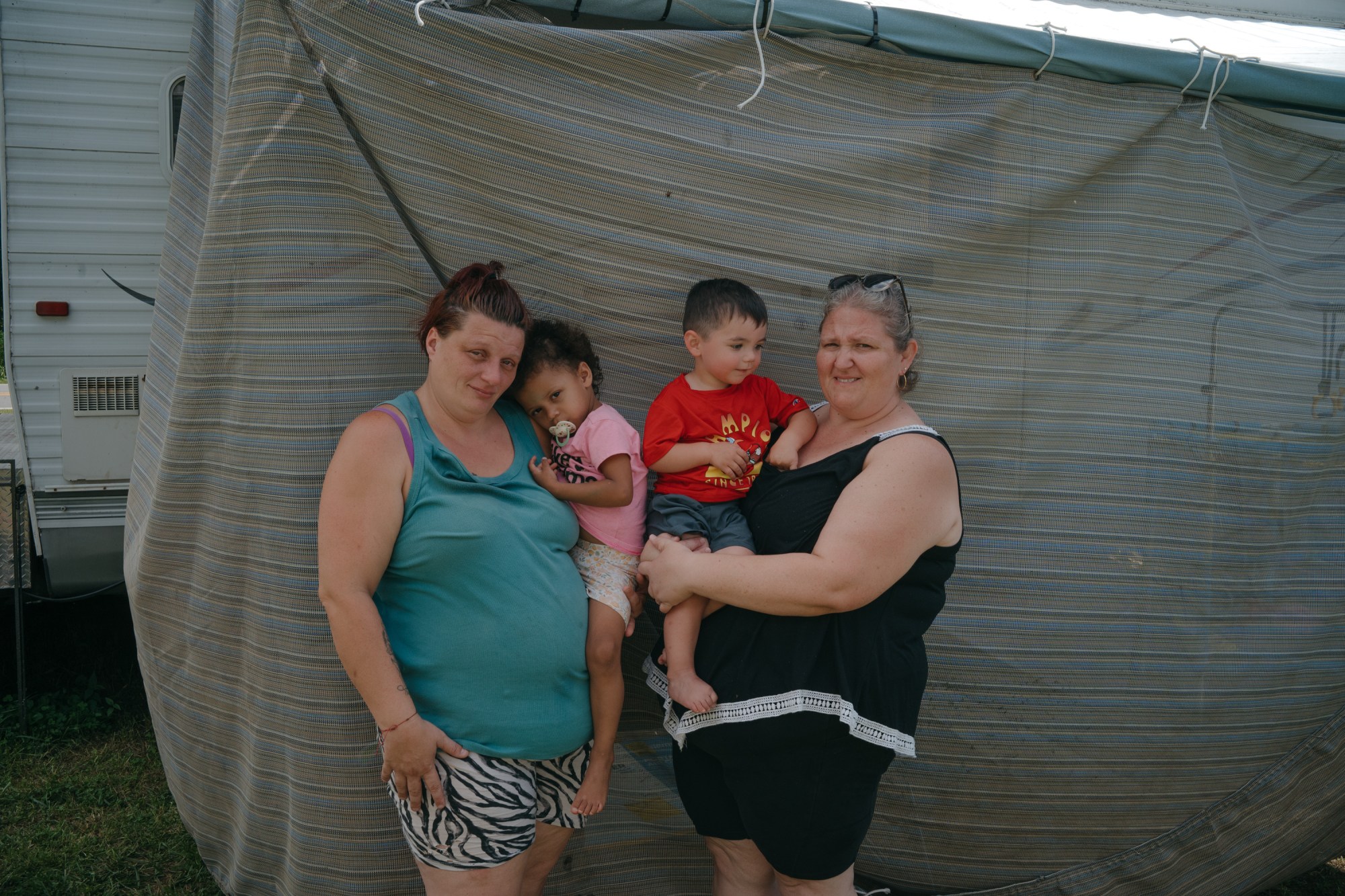
Two years later, people are still living in the same flood-prone spots that got hit hardest. The storm exposed how little stands between mountain communities and the next disaster, especially when rain falls on ground that's already saturated.
That's the reality for families in these hollows and river valleys. Homes destroyed by Helene can get rebuilt in the same paths water carved out once already, with no guarantee the next storm won't do it again. For a region built on narrow valleys and steep slopes, there's often nowhere else to put a house.
Two years after Helene turned quiet creeks into killers, the question hanging over western North Carolina isn't whether another storm will come. It's whether anything changes about where people are allowed to rebuild before it does.