
Plasma is the pale yellow liquid part of blood, and it is 92% water. The other 8% holds proteins, hormones, vitamins and enzymes. Vitalant's Brandon Baker says plasma carries oxygen and nutrients through the body.
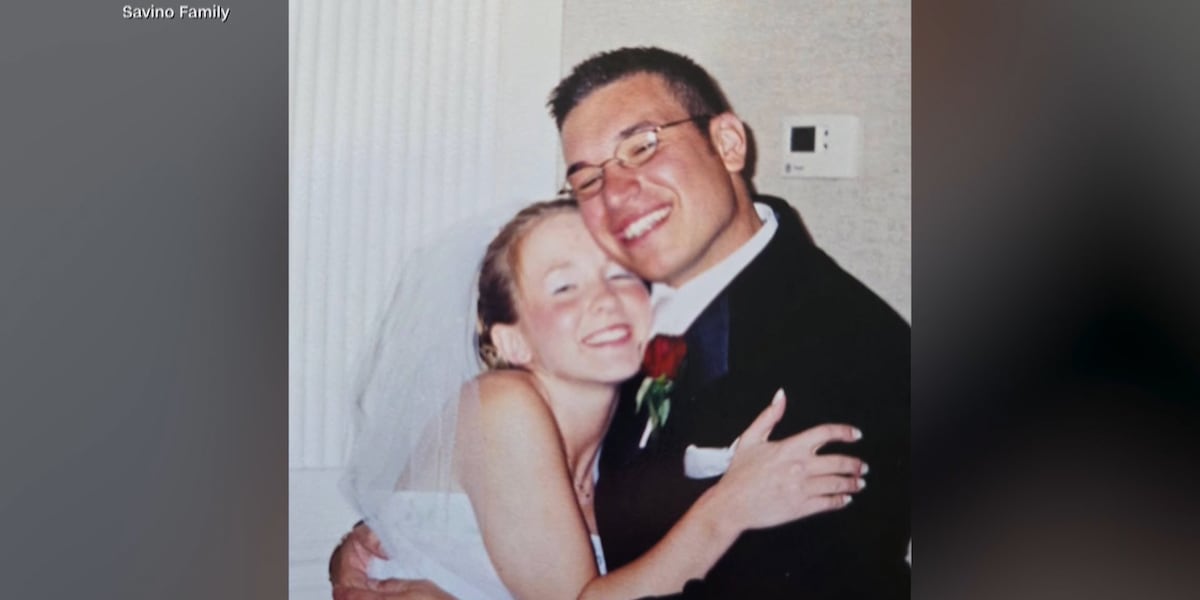
Doctors use plasma-derived medicine for patients with diseases such as cancer and disorders such as common variable immune deficiency, where the body fails to make enough protective antibodies. Savino has received plasma infusions every four weeks since her diagnosis. "Plasma powers every possibility and literally, that's why I breathe today," she said.
Giving plasma takes more time than giving whole blood. Baker said a whole blood donation runs 8 to 10 minutes, while plasma can take 35 to 45. Some plasma stays in a freezer for local use, and Baker pointed to boxes of donations that sit frozen until they ship to drug manufacturers, who turn them into medications.
International Plasma Awareness Week runs Oct. 5-9, but Savino said she is thankful every week for people who donate blood and plasma.
A 45-minute chair session gives someone else a quality of life, she said, that some people take for granted.