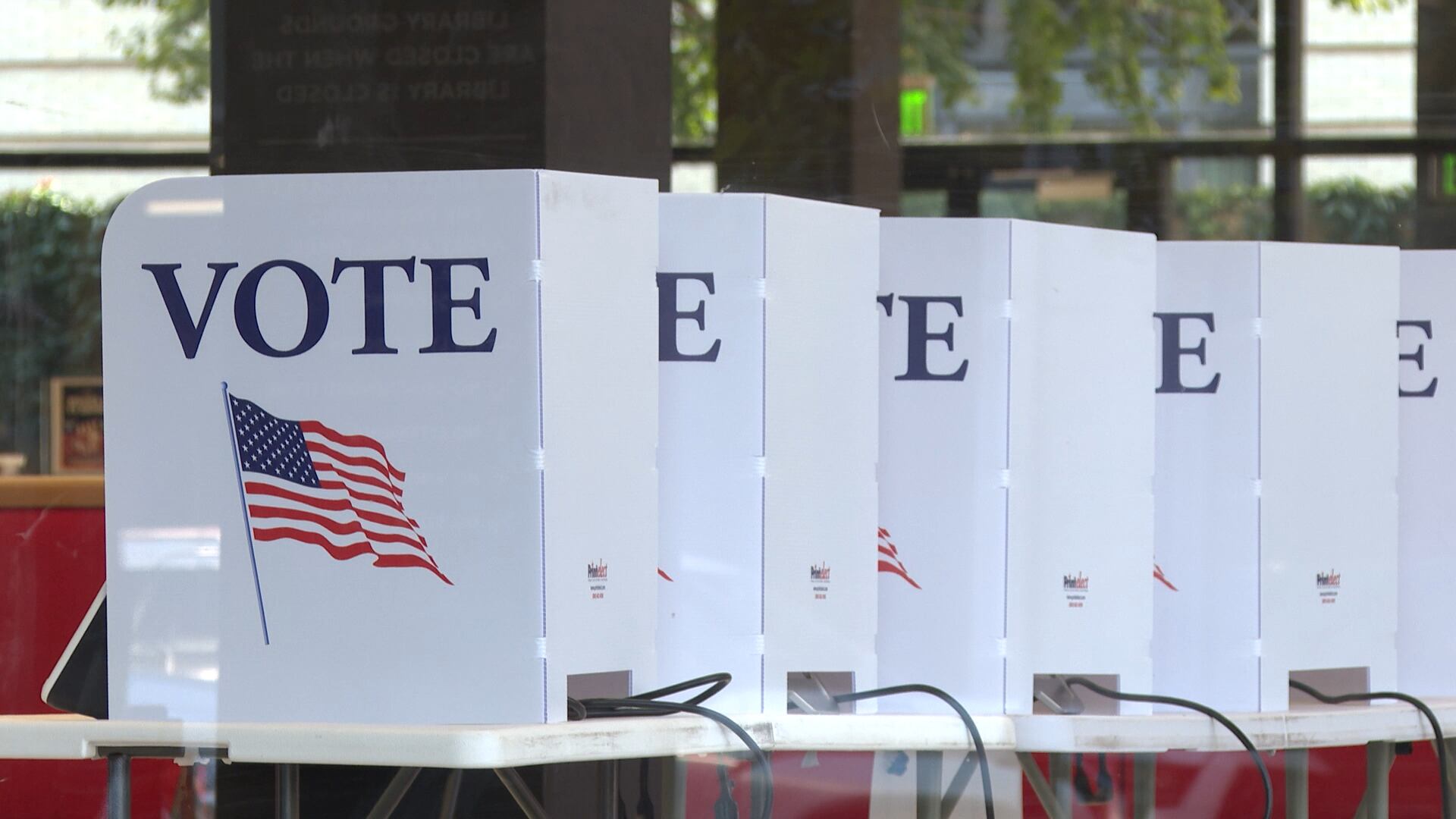
More than 42 million Americans have already cast midterm ballots, according to the University of Florida Election Lab, with Election Day set for Tuesday, November 3.
Early turnout looks similar to 2018, the "blue wave" year. The lab says enthusiasm appears to favor Democrats, who account for 44% of early votes compared with about 31% for Republicans.
Michael McDonald, a University of Florida political scientist, says the country could beat the 2018 turnout rate, the highest for a midterm since 1914. He also sees uneven patterns. Registered Democrats and unaffiliated voters are engaged right now, he said, while registered Republicans are not as much.
Early voting has climbed among young voters and minorities. McDonald believes this could be the most diverse midterm electorate in U.S. History, with high engagement among African Americans, Hispanics and Asian Americans, and less among whites.
Those numbers come with limits. Not all states require party registration, and some put little emphasis on early voting. McDonald expects Maine, Iowa, Kansas and Nebraska to cast maybe a third of their votes early, so they will look very different from vote-by-mail states. He says Republicans will make up some ground on Election Day, and nobody announces results until the polls close.
Common questions
When is Election Day for the midterms?
- Election Day is Tuesday, November 3. Early voting is already well underway, with more than 42 million Americans having cast midterm ballots, according to the University of Florida Election Lab. Early turnout looks similar to 2018, the "blue wave" year.
Which party is leading in early voting?
- Democrats lead so far, making up 44% of early votes versus about 31% for Republicans, per the University of Florida Election Lab. The lab says enthusiasm appears to favor Democrats. Michael McDonald, a University of Florida political scientist, says registered Democrats and unaffiliated voters are engaged right now, while registered Republicans are not as much.
Could this year's midterm turnout beat 2018?
- Yes, it could. Michael McDonald, a University of Florida political scientist, says the country could beat the 2018 turnout rate, the highest for a midterm since 1914. Early voting has also climbed among young voters and minorities, and he believes this could be the most diverse midterm electorate in the U.S.