
The new number tops the 3% the fund projected in July but trails last year's 3.5%. The 2027 forecast holds at 3.4%. Inflation is the less friendly part. The fund now expects 4.1% in 2027, up from 3.9% in July, and it kept its 4.7% outlook for this year.
The IMF released the report at its annual meetings with the World Bank in Bangkok, where finance ministers and central bank governors from 191 members are discussing geopolitical tensions, mounting public debt and artificial intelligence. The fund now estimates the Strait of Hormuz will reopen in March next year.
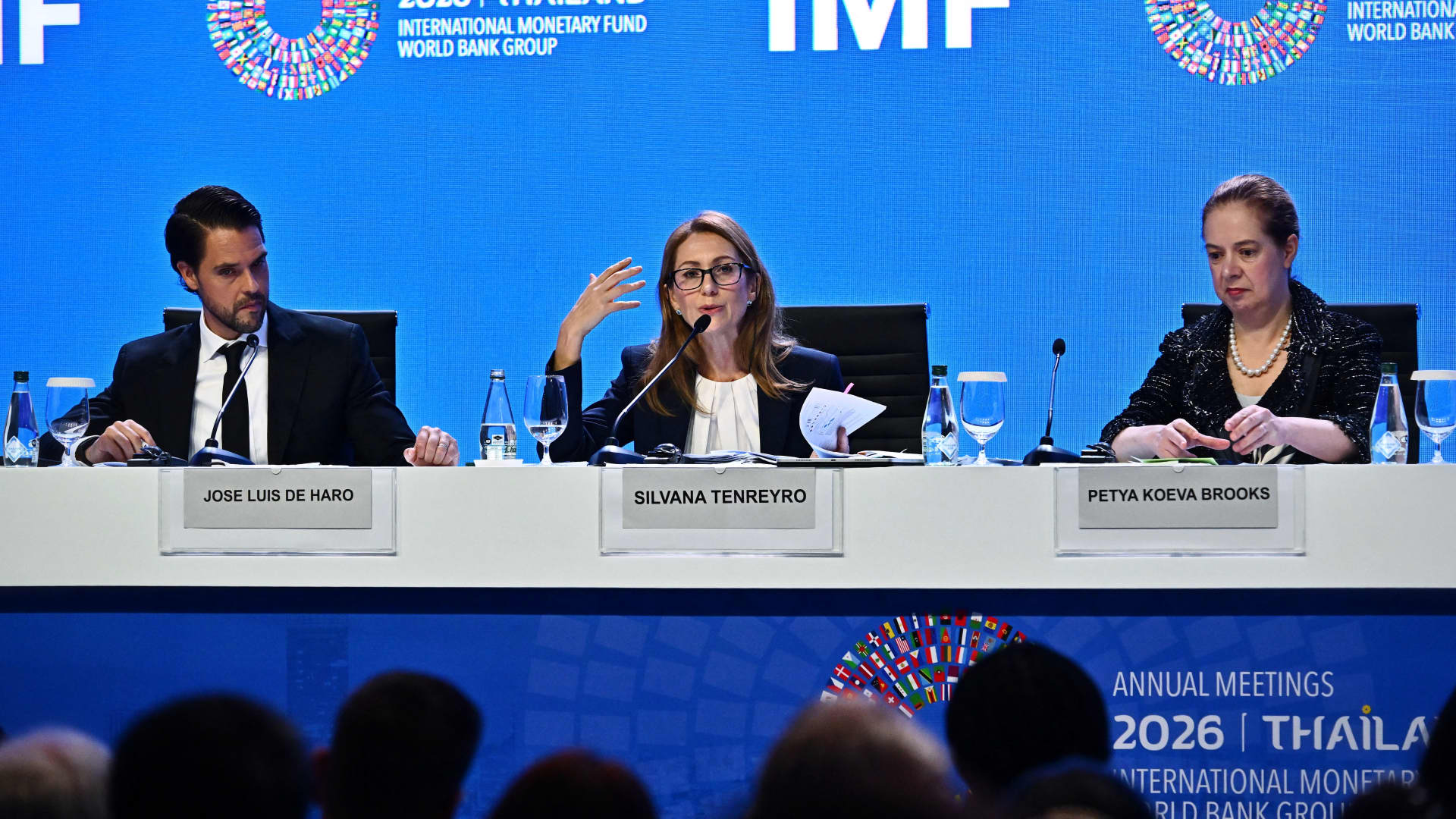
AI spending gave the economy a "demand impulse" that kept the first half of the year stronger than expected, despite the Middle East war and trade tensions. Financial markets stayed largely calm, which the fund said may partly reflect "AI-related exuberance." Buffers and adaptability, including diversified fuel sources, helped economies weather the shocks. Silvana Tenreyro, economic counsellor and director at the IMF research department, told reporters Tuesday that "the global economy has been resilient, but that resilience is reaching its limits." She urged policymakers to restore fiscal space and supply-chain security.
Gulf crude exports averaged 88% of pre-conflict levels in September, yet the fund still does not expect a full return until October.