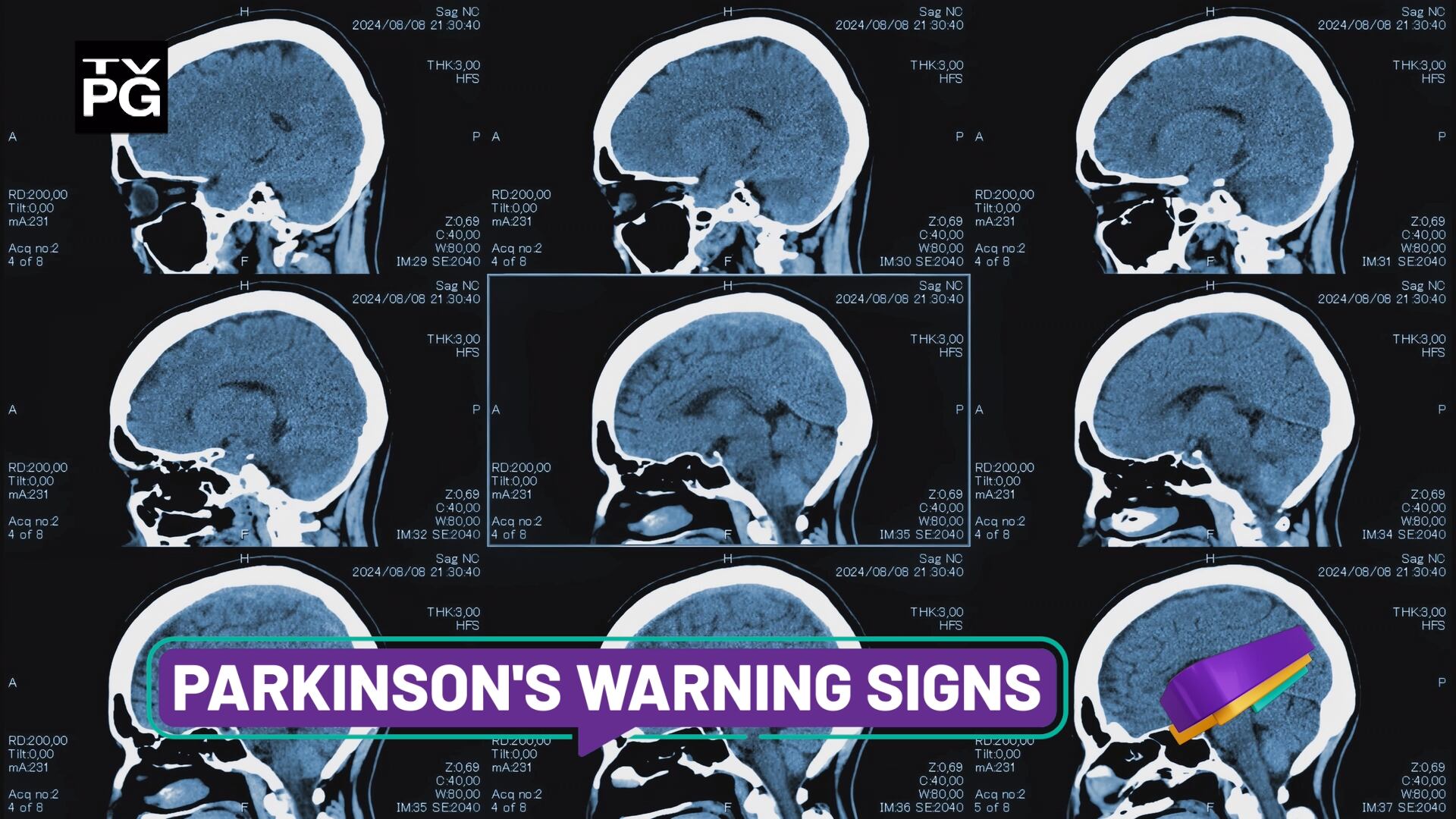
Parkinson's disease often begins much earlier than a tremor, according to board-certified physician Dr. Rhea Rogers, who points to loss of smell, constipation and changes in handwriting as early warning signs.
Most people hear "Parkinson's" and picture shaking hands. Rogers said the quieter signs come first. Inside the brain, abnormal proteins misfold and form clumps called Lewy bodies. Those clumps build up and damage dopamine-producing neurons in a part of the brain called the substantia nigra.
Aging expert Amy O'Rourke has seen the early signs up close. A client of hers described her husband's writing getting smaller and smaller. When he walked, one arm moved and the other did not. O'Rourke called those two very common symptoms and said that if the wife had brought him to the doctor, something could have been done.
For regular people, the takeaway is simple. If you or someone you live with notices any of these signs, don't wait for a shake. Talk to a physician. O'Rourke also recalled a university professor who told his class he had lived with Parkinson's for 15 years and built a full life with a strong support network.
By the time the famous symptom shows up, Rogers said, you've probably lost 50% to 70% of those dopamine-secreting neurons.
Common questions
What are the early signs of Parkinson's disease?
- Loss of smell, constipation and changes in handwriting are early warning signs, according to Dr. Rhea Rogers. She says these quieter signs often show up before a tremor. Most people picture shaking hands when they hear Parkinson's, but Rogers said the quieter signs come first.
What happens in the brain with Parkinson's disease?
- Inside the brain, abnormal proteins misfold and form clumps called Lewy bodies. Those clumps build up and damage dopamine-producing neurons in a part of the brain called the substantia nigra. Parkinson's often begins much earlier than a tremor, according to Dr. Rhea Rogers.
What does early Parkinson's look like in daily life?
- Handwriting that gets smaller and smaller, and one arm moving while the other does not, are two very common symptoms, according to aging expert Amy O'Rourke. A client of hers described both in her husband: his writing shrinking and one arm not moving when he walked.