
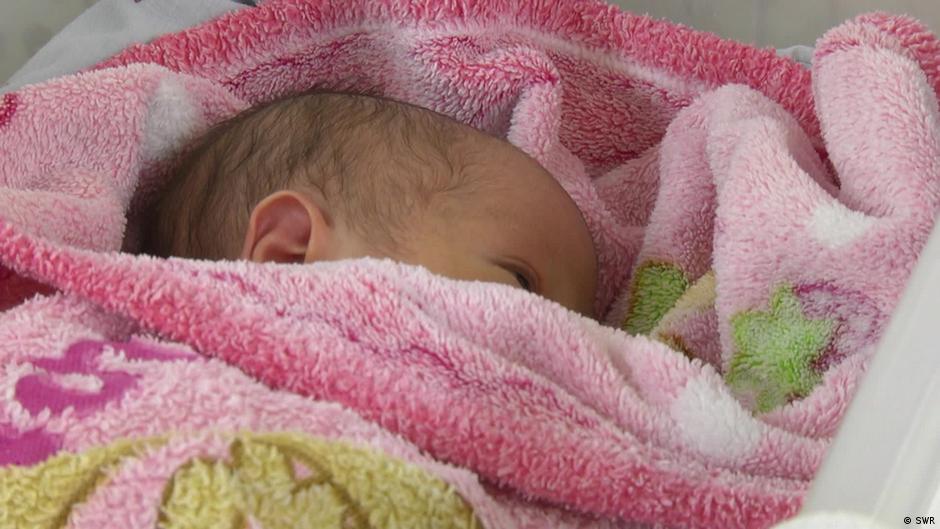
Russia banned foreign customers from signing surrogacy contracts in 2022. After the invasion, many international agencies that connect surrogates with intended parents moved to Georgia. Surrogate births there jumped from an estimated 300 in 2021 to over 1,100 in 2023. Georgia's Public Service Development Agency counted over 3,000 registered surrogate mothers that year. Since 2012, they have given birth to over 5,000 children.
Olga, 40, and Daniel, a couple from Hamburg whose names DW changed to protect their identities, hired a surrogate three years ago. Surrogacy is illegal in Germany, so families must fight for legal recognition of their parenthood in German courts. Olga is a German citizen raised in Russia, so the couple first looked at the Russian market. Then they traveled to Georgia.
Anastasia, 39, sees the industry from the other side. The Russian surrogate has seen through three pregnancies, beginning in 2021 when she wanted money for a property down payment. She completed her first two in Russia and her third in Georgia, for a Japanese couple, through the branch office of a Moscow clinic. Like many surrogates, she went home after the embryo was implanted and returned to Georgia at 22 weeks.