
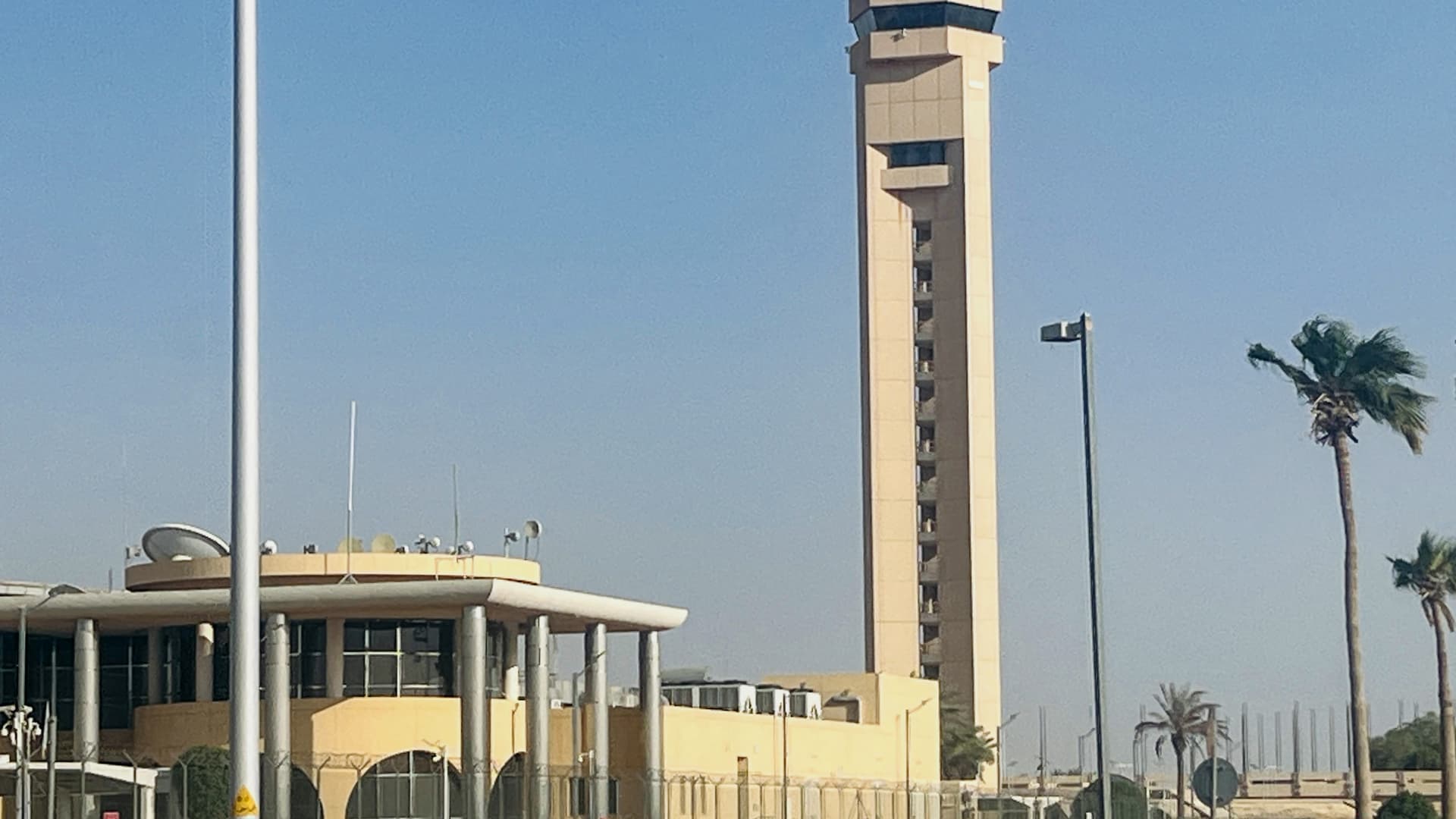
The deadliest strike came Saturday, when 12 people died and more than 300 suffered injuries, according to officials. Another strike Sunday killed one person and injured nearly a dozen. Numerous projectiles have hit the airport over the last week, and the Saudi aviation authority extended its suspension of operations there. The Houthis, who are based in Yemen, claimed responsibility.
Governments are pulling back fast. Australia and New Zealand told their citizens Monday not to travel to the airport or other Saudi destinations. They joined the U.K., U.S., Canada, France, Germany, Japan and others with similar advisories.
The timing is awkward for the Kingdom. It is hosting the World Petroleum Congress, the International Energy Forum Ministerial Meeting and the Future Investment Initiative. The attacks have also raised questions about Saudi defenses.
Diplomacy is moving alongside the threats. President Donald Trump said Sunday the U.S. "may" join Saudi Arabia in retaliating against the Houthis. Iran's Foreign Minister Abbas Araghchi said he told Saudi Foreign Minister Prince Faisal bin Farhan Al Saud that Tehran would take steps to start dialogue between Saudi Arabia and Yemen.
One of the world's biggest military spenders now has the airport in its capital shut down.