
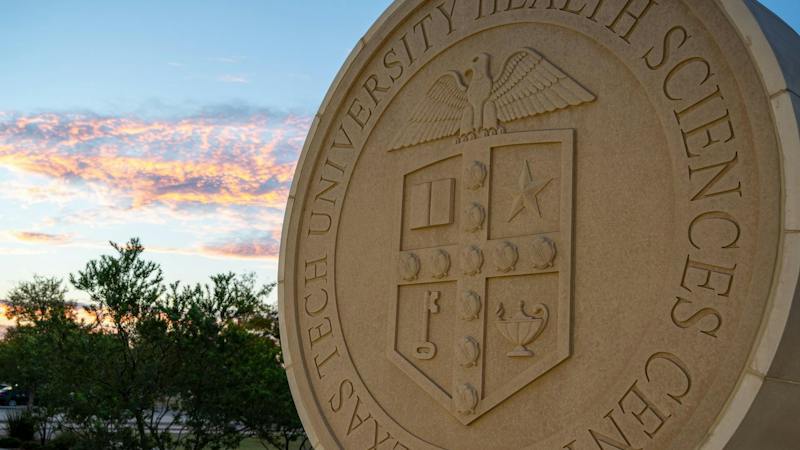
The school announced the news in a Friday, Oct. 16 release. Stanford compiles the list in collaboration with Elsevier's Scopus, a commercial database for peer-reviewed literature. It sorts scientists across 20 scientific fields and 174 sub-fields, so each researcher is measured against peers in the same field instead of all of science.
Rankings run on a c-score that combines six citation indicators. The score weighs cumulative impact, based on total citations and the h-index, along with scaled impact based on authorship position.
Two separate lists exist, one for annual research and one for cumulative career contributions. The single-year list counts citations from Jan. 1, 2025, to Dec. 31, 2025. On the career-long list, citations run from a scientist's first publication through the most recent cutoff date, and 10 current TTUHSC researchers appear in its Version 9 dataset. That list highlights researchers whose work has kept its influence.
Because the single-year count covers just one calendar year, a younger researcher can rank right beside scientists with decades of citations.