
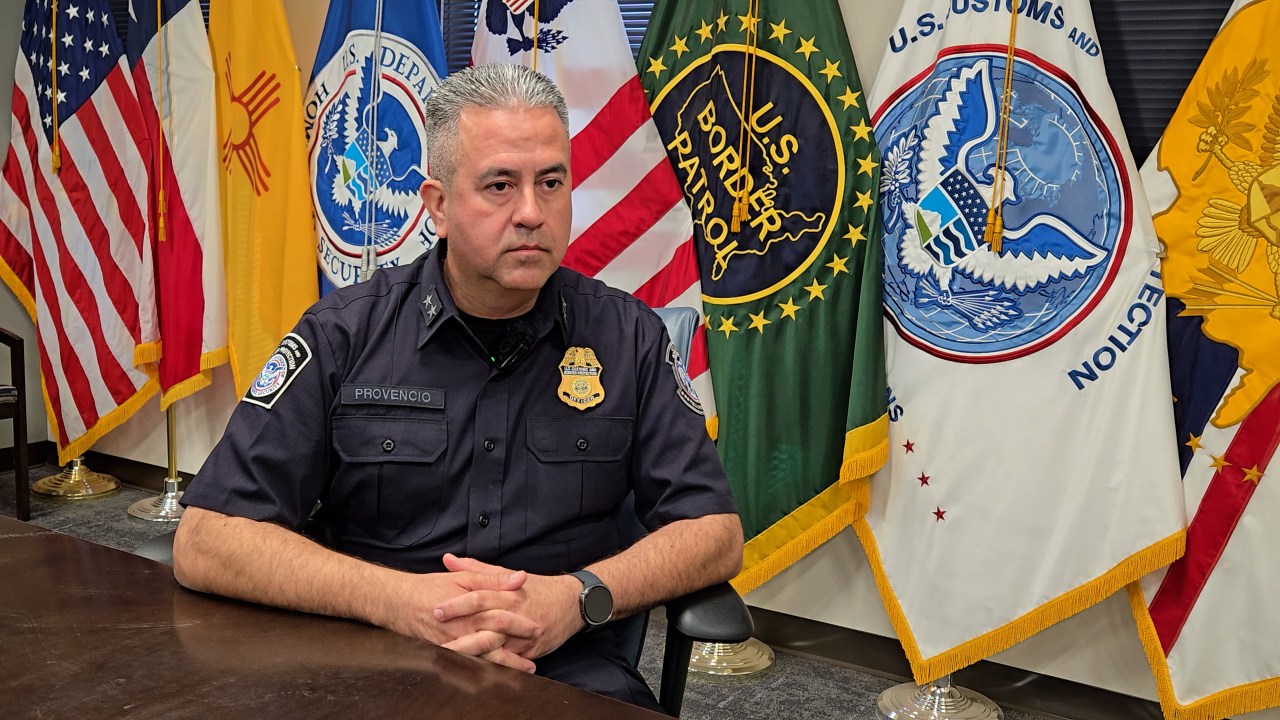
Provencio gave Border Report his first interview since becoming director of field operations. The U.S. General Services Administration approved the project with a budget of $474 million to $579 million. Pedestrian lanes would double from four to eight, and he expects completion in early 2031.
The plan removes commercial cargo operations from the bridge, and Provencio said other ports of entry can handle those trucks. He oversees port-of-entry operations across New Mexico and West Texas, including the Big Bend region, and he started with the U.S. Customs Service in 1998. He called the project a "once-in-a-lifetime opportunity."
For travelers, the pitch is shorter waits and stronger inspections. On peak days, officers at the bridge process between 12,000 and 18,000 vehicles. Commuters, families and businesses on both sides of the border use the crossing, so a redesign touches all of them. Across the field office's ports, CBP figures for 2026 show 13.6 million traveler crossings, including 12.6 million by vehicle. Those ports also processed approximately 990,000 commercial trucks.
After assignments in Washington and overseas, Provencio says El Paso never stopped feeling like home.